Key Event Timeline:
October 28, 2025:
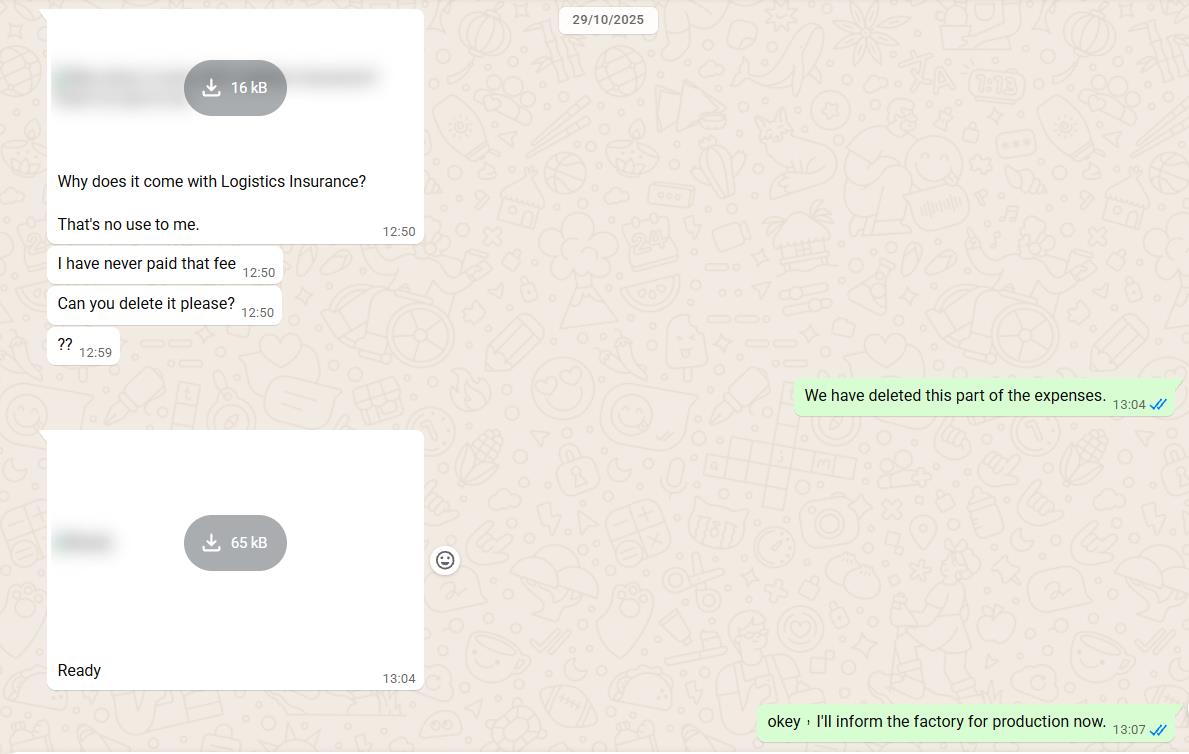
Order Confirmation & Payment Link: The client urged completion of the remaining order. COGENG-HUGO sent the Alibaba payment link for the first time. The client requested the removal of the "Logistics Insurance Fee" from the link, which COGENG agreed to and subsequently updated. The client completed the payment.
Shipping Commitment: COGENG-HUGO promised shipment within 3 days after payment and confirmed both harnesses would be shipped together. The client specifically requested DHL Express for faster delivery.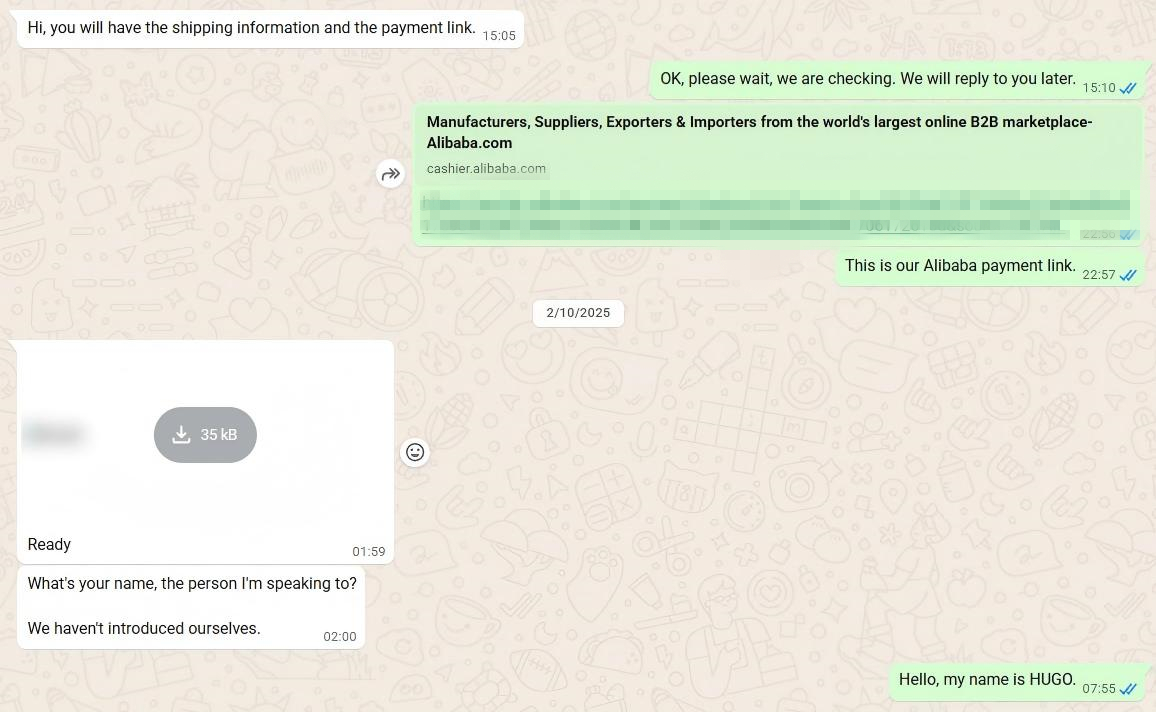
October 29-30, 2025:
Technical Confirmation and Dispute: To ensure harness model accuracy, COGENG-HUGO repeatedly asked the client for old samples, photos, or videos for comparison. The client stated they were unable to provide these, as the machine itself was missing the harness, and emphasized they had waited over 27 days and urgently needed the goods.
Risk Disclosure: COGENG-HUGO explained that a sample previously produced based on a part number provided by another client had been identified as incorrect by this client, hence the desire to avoid another error. COGENG proposed that if the client couldn't provide confirming information, they would proceed with production and shipment based on the existing plan. However, if the model was still incorrect, COGENG would not assume responsibility and would not accept returns. The client ultimately, with evident frustration, demanded shipment proceed regardless.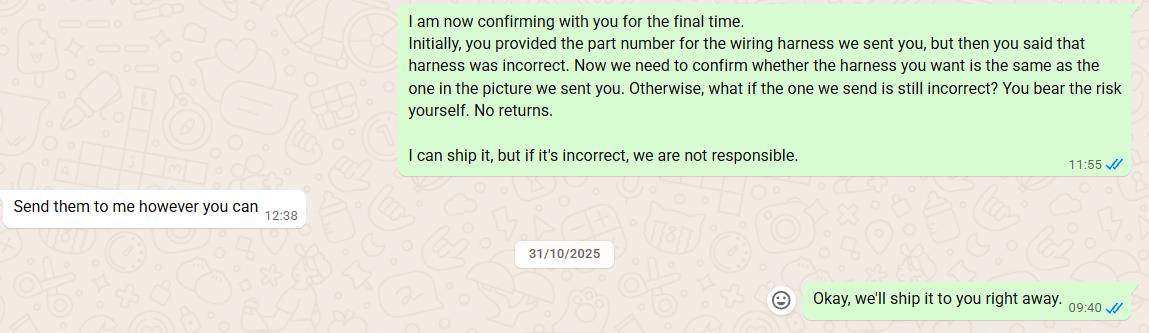
October 31, 2025:
Shipment Confirmation: COGENG-HUGO confirmed that shipment would be arranged immediately.
November 2-5, 2025:
Logistics Tracking: The client inquired about the shipping status. COGENG-HUGO confirmed on November 3rd that DHL Express shipment had been arranged and provided the tracking number. On November 5th, the client confirmed receipt of the tracking number.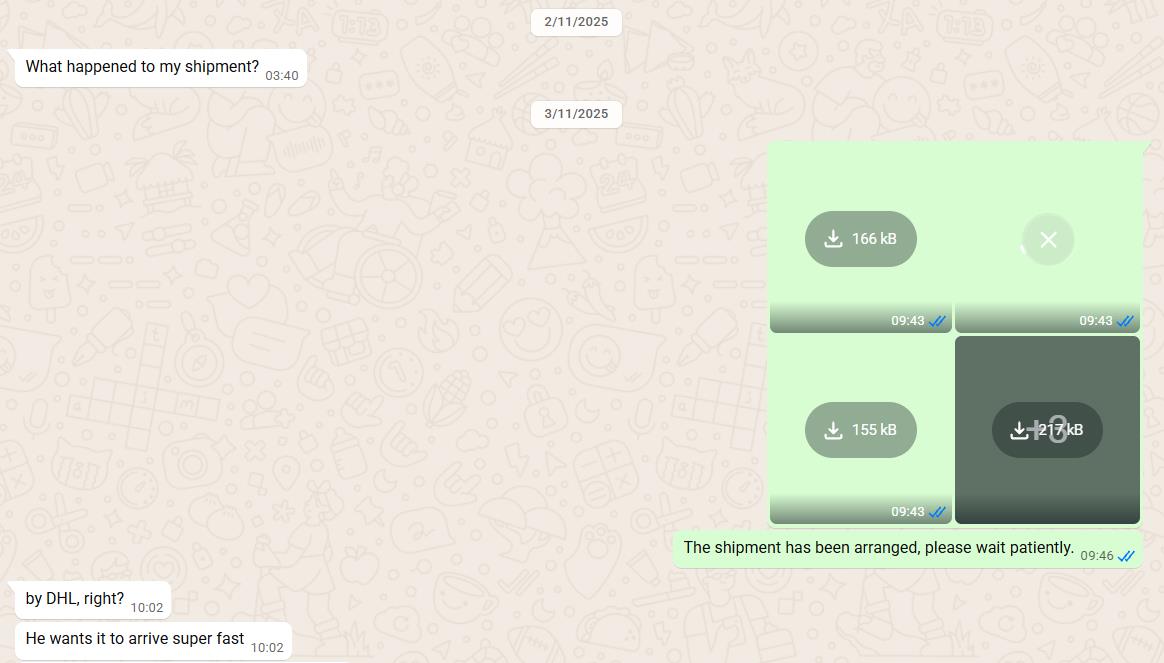
Core Case Analysis:
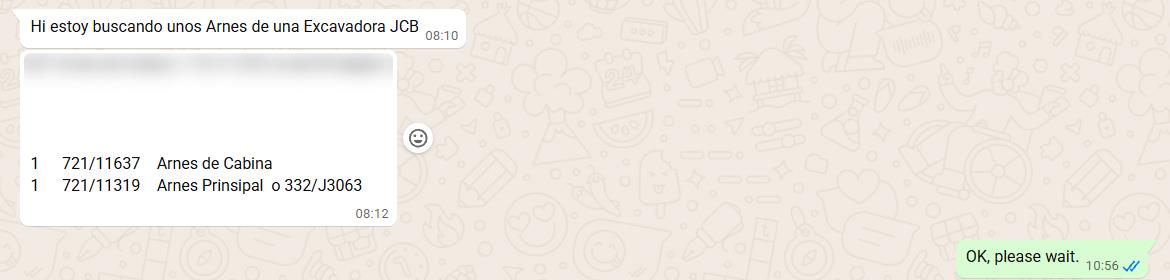
Clear Client Needs: The client had urgent needs, explicitly requested two harnesses and DHL Express, and was sensitive to additional fees (Logistics Insurance).
Communication Challenges:
Technical Information Asymmetry: The supplier, acting prudently, sought an accurate reference (old sample) to ensure correct production—a standard quality control practice.
Client Constraints: The client's inability to provide a sample due to the missing part on the machine created a deadlock in the confirmation step.
Commitment and Expectation Management: The supplier's initial "shipment within 3 days" promise was not met due to internal confirmation procedures, leading to client dissatisfaction and a trust crisis.
Risk Transfer: When confirmation was impossible, the supplier explicitly informed the client they would "not bear the risk of error and not accept returns," transferring the potential risk of product mismatch to the client. This was based on obtaining the client's instruction to "ship regardless" as authorization.
Problem Resolution Method: Under the premise of the client accepting the risk, the supplier proceeded with production and shipment, ultimately providing the DHL tracking number, meeting the client's needs for shipping speed and tracking.
Summary:
This case is a typical example of cross-border industrial parts procurement communication, highlighting the conflict between order confirmation accuracy and delivery urgency when a physical reference is lacking. COGENG demonstrated rigorous quality control awareness, but the initial delivery promise did not fully account for the time required for internal confirmation procedures. The client showed a strong demand for delivery and ultimately chose to assume the risk to advance the order despite incomplete information. The case concludes temporarily with payment completed and the goods entering the DHL logistics phase. The subsequent goods inspection and compatibility assessment will be key to evaluating the final success of this transaction. It is recommended that for similar future transactions, both parties communicate technical details and delivery timelines more thoroughly in the early stages and utilize platform order functions to clarify liability terms to optimize the collaboration experience.